News
Amazon Takes $17.5 Billion Loan to Fund AI Investment Race
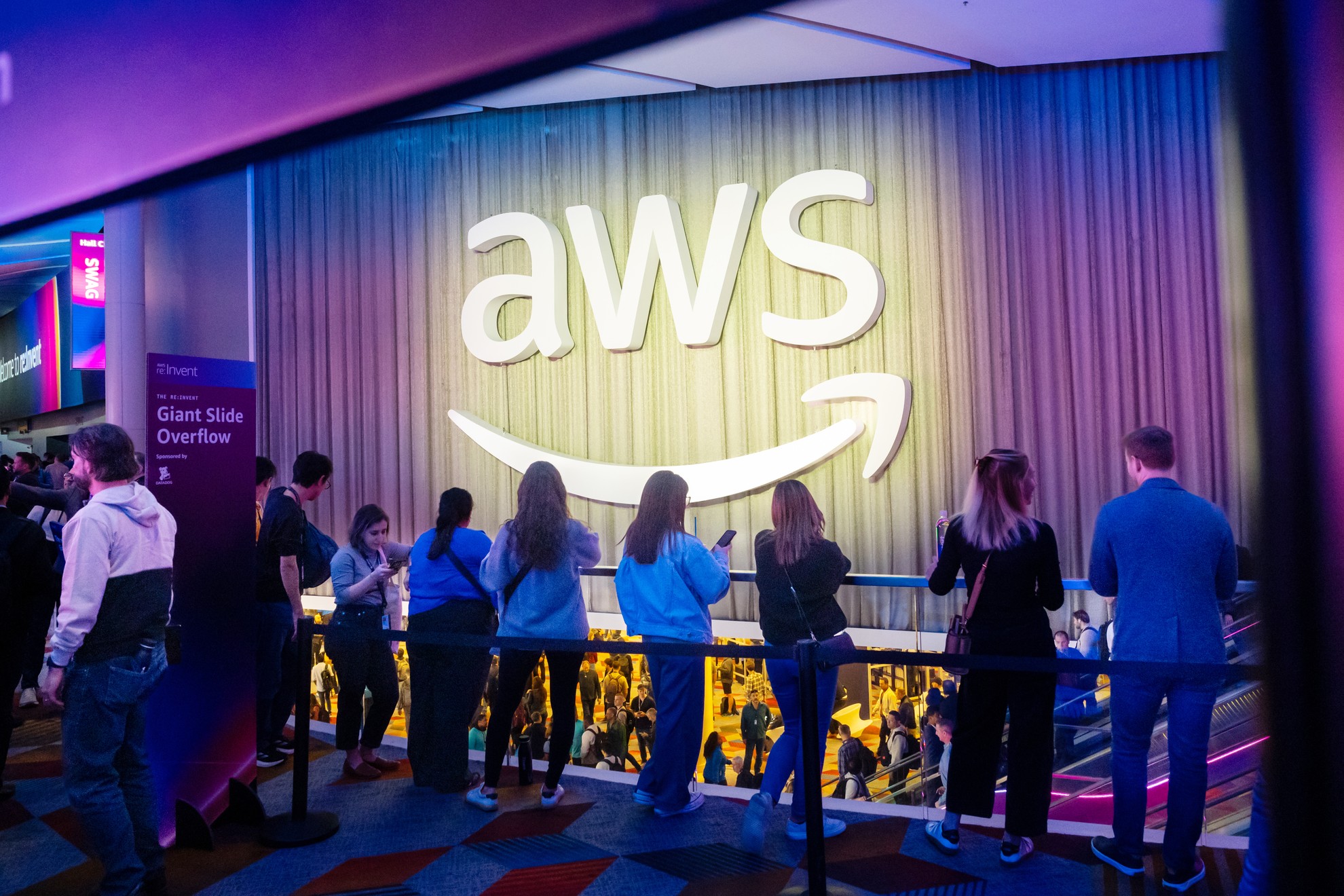
Amazon signed a $17.5 billion credit agreement with a group of banks to help finance its growing spending on AI infrastructure. In 2026, the company plans to spend a total of about $200 billion on this effort.
Amazon has turned to debt to keep pace with its own AI investment plans. The company signed an agreement with a group of the world's largest banks for a $17.5 billion revolving term loan, intended to cover part of its growing spending on data centers and its own chips.
It's another sign that even companies generating tens of billions of dollars in free cash flow don't want to fund the AI boom entirely out of their own pockets. Instead, they're turning to the debt market to preserve flexibility and avoid depleting cash reserves needed for other purposes.
Loan Terms
The loan takes the form of a senior unsecured delayed draw term loan, meaning Amazon doesn't have to use the entire amount at once. The company can draw down tranches as needed until September 30, 2026, when the banks' commitments expire. Each tranche drawn will carry a three-year repayment term starting from the date it's drawn.
The lending group includes Citibank, BofA Securities, JPMorgan Chase, HSBC and Wells Fargo. The interest rate is based on a variable base rate or SOFR plus a margin of 0.625 to 0.875 percentage points, depending on the company's credit rating. Notably, the agreement contains no financial covenants that would restrict management's flexibility over the balance sheet.
Big Tech's Investment Race
Amazon previously announced, alongside its fourth-quarter 2025 results, that it would spend about $200 billion on capital investments throughout 2026, with the vast majority going toward AI infrastructure, including data centers and its own chips for training and running models. In the first quarter of 2026 alone, capex reached $44.2 billion, up from $25 billion a year earlier.
Amazon's spending scale fits into a broader trend. Combined capital expenditures by the largest tech companies are expected to exceed $700 billion in 2026, more than earlier forecasts of around $600 billion. Alphabet and Meta have likewise signaled that AI spending remains their top priority, regardless of investor pressure for cost discipline.
Why Debt, Not Cash
Amazon has sufficient cash reserves to fund part of its investments without external financing, but taking on debt allows it to spread risk and preserve liquidity for other business needs, from logistics to acquisitions. CEO Andy Jassy defends the aggressive pace of spending, comparing the current moment to the early days of AWS itself.
When you're dealing with a change this transformative, you have to be bold - Andy Jassy, CEO of Amazon
Jassy emphasizes that Amazon's AI business already generates more than $15 billion in annual revenue, which he says justifies further increases in spending despite criticism from some analysts who point to the growing risk of overinvesting in infrastructure if demand for AI models turns out to be weaker than forecast.
What It Means for the Market
Debt financing among large tech companies is starting to resemble patterns familiar from the telecom or energy sectors, where capital-intensive infrastructure has traditionally been built on credit rather than out of current earnings. For the corporate bond market, this means a wave of large new AI-linked bond issues and loans, which some investors read as a warning sign of overheating in the sector.
For Polish companies and investors following the tech sector, the key context is this: the scale of borrowing by these giants shows that the race for AI infrastructure is entering a phase where even the world's wealthiest companies don't want to fund it entirely out of their own resources. This indirectly affects the prices of cloud services and components used by local companies deploying AI.