News
UN Forms AI Governance Commission Stacked With Tech CEOs
The UN and ITU have formed the AI for Good Global Commission, including the heads of Nvidia, Amazon, Microsoft, Anthropic and Cohere, co-chaired by Marc Benioff and Rwandan President Paul Kagame. Critics warn that global AI oversight is landing in the hands of companies with the biggest financial stake in the outcome.
The United Nations, together with the International Telecommunication Union (ITU), has announced the creation of the AI for Good Global Commission, a body tasked with developing international standards for governing artificial intelligence. Its first meeting will take place on July 8 in Geneva, during what organizers are calling the capital of global AI governance.
Commission Membership
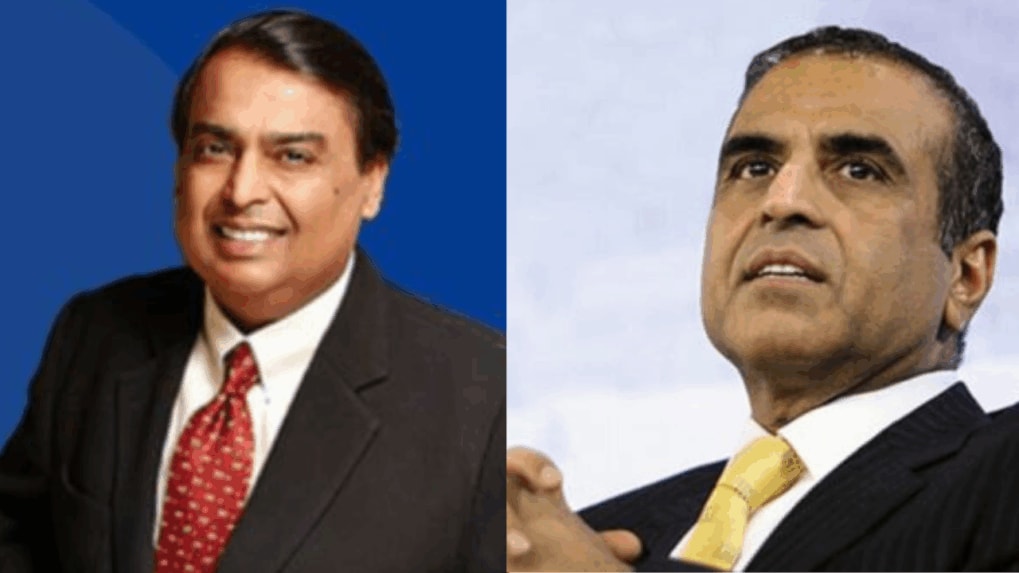
The commission's co-chairs are Salesforce CEO Marc Benioff and Rwandan President Paul Kagame. Members include Amazon CEO Andy Jassy, Microsoft President Brad Smith, Nvidia founder and CEO Jensen Huang, Anthropic co-founder Jack Clark, and Cohere co-founder Aidan Gomez. The group also includes billionaires from outside the pure tech sector, among them Mukesh Ambani of Reliance and Sunil Bharti Mittal of Bharti Enterprises.
The commission's design differs from classic UN bodies. It is meant to be a smaller, faster team of executives able to identify specific problems and work out solutions without the procedural weight of full diplomatic consensus among the General Assembly's 193 member states. In practice, the commission can publish recommendations, convene working groups, and negotiate voluntary commitments among its members.
Geneva's AI Week
The commission's first meeting on July 8 will coincide with the inaugural UN Global Dialogue on AI Governance, scheduled for July 6 and 7, and the ITU AI for Good Global Summit, running from July 7 to 10. Clustering these events into a single week is meant to underscore Geneva's standing as the center of discussion on global oversight of artificial intelligence.
The commission's stated goals include developing responsible AI solutions, reducing global inequalities in access to the technology, and establishing international governance standards. Its creation came a week after UN Secretary-General António Guterres called on AI companies to openly disclose the real costs of building data centers.
Self-Regulation Concerns
Critics, including commentators cited by Common Dreams, point to a paradox: a commission meant to oversee the AI industry is made up largely of executives from the companies that stand to gain the most from lax regulation. Public opinion surveys show limited public trust in Big Tech, opposition to data centers being built in people's neighborhoods, and concern that politicians are too close to Big Tech.
Additional context comes from a UN scientific panel report accompanying the commission, which warns that AI capabilities are outpacing both scientific understanding of the technology and governments' ability to respond. Critics argue this is a reason for oversight to be led by independent experts rather than by executives with a direct financial stake in the outcome of regulation.
For Poland and the European Union, which is implementing its own AI Act, the creation of the UN commission signals that the global race to set the rules for artificial intelligence is shifting to the supranational level, and that Europe's approach based on binding legislation will have to compete with the voluntary-commitment model pushed by American and Asian tech giants.